
Stinging insects – such as yellow jackets and wasps – are known for having a bad rap. This is mostly because of their stings, which are done in a defensive manner and are extremely painful. The buzzing sounds are highly intimidating, and those who are allergic are naturally threatened by a wide assortment of flying insects. Despite all of this, the stinging insects are often simply misunderstood. These types of insects are beneficial and mostly only become aggressive when their nests or their sources of food are threatened.
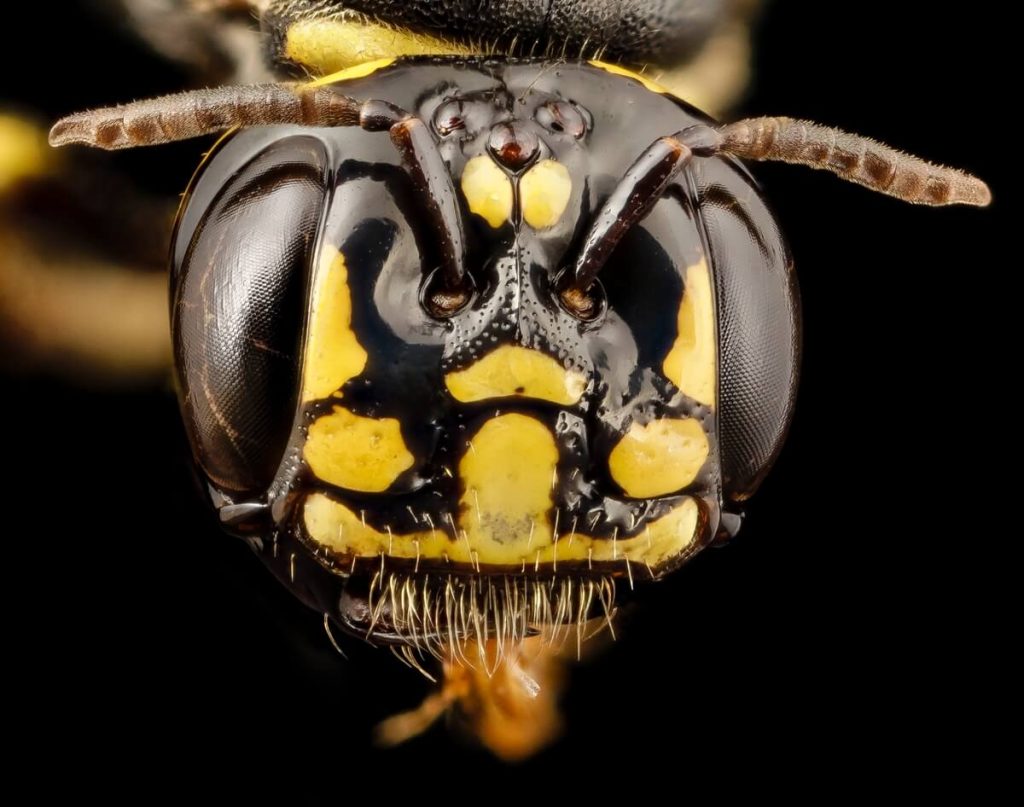
There are very few creatures that inspire such an intense amount of fear and absolute loathing as stinging insects. The buzz of a bee is powerful enough to make even the calmest of people engage in an almost comical yet frantic dance of fear and avoidance. Each year, several picnics are completely cleared fast, and numerous gardeners stumble away from the perceived threat of stinging insects. The fear that these insects provoke far exceeds the proportion of their size.
It does not matter what type of stinging insect is mentioned – be it a bee, hornet, wasp, or yellowjacket- people will immediately use them as a reference point for danger, pain, powerful swarms, and visits to the emergency room. While it is true that stinging insects play important and highly vital roles in the various ecosystems of the world, their reputation is generally negative.
The Concept of Evolutionary Programming
Humans have a natural fear of stinging insects wired directly into their survival instincts. Our ancestors were very cautious individuals who were very careful around creatures that they perceived to be potentially dangerous. Certain insects that sting could cause allergic reactions that have the potential to be fatal. Our evolutionary programming has resulted in our predisposition to view stinging insects as a threat rather than beneficial.
Other Factors
Biology, lived experiences with stinging insects, psychology, and culture all play a role in stinging insects getting a bad rap. The behavior of these insects may be viewed as unpredictable. They are known to intrude on areas owned and kept up by humans, such as gardens, decks, parks, attics, basements, porches, and areas that are similar in nature. Many view stinging insects as menaces that are highly aggressive. However, most people know only a little about the lives of stinging insects and the extremely valuable work that they perform.
Pain Factor
Stings are extremely painful. It has been established that a sting from a wasp or a bee can range, in some cases, from irritating in a mild manner to absolutely excruciating. It all depends on the sensitivity of the person who was stung and what species did the stinging. The venom that the insects inject into the skin contains various types of compounds that result in the mechanism of defense, such as pain. If a honeybee stings, a stinger that is barbed is left behind in the skin. This stinger continues to pump venom into the body of the person who was stung. After stinging, a honeybee dies.
There are about 5% to 7.5% of all people have allergic reactions to stinging insects. This type of reaction can be very dangerous. Anaphylaxis is known to occur in many victims. It can occur within minutes of being stung. This results in complications in breathing, swelling, a very rapid pulse, and even potential death if immediate treatment is not received. The pain factor plays a large role in the fear that people have of stinging insects and why those insects get a bad rap.
The Sting
The most obvious reason why stinging insects get a bad rap is that they sting. A sting is more than mildly irritating; it is very painful, highly startling, and may prove to be quite serious in terms of medical issues. For many, a sting will occur in childhood and will remain a strong memory throughout life. Pain attaches to memories. If a person has attached a buzz of a bee to a painful sting, fear develops quickly.
Mosquito and flea bites are much different than stings. Stings feel malicious and seem like a highly active attack. It is known to happen fast, and it seems personal. Despite this, it is not a personal attack. It is important to understand that stinging insects only sting if they feel there is an imminent threat. People are known to perceive the sting as a social offense. It is not at all unusual for people to talk about stinging insects being mean, angry, and highly territorial. While not accurate in a biological way, it is understandable in an emotional way.
The Buzzers
One of the main reasons why stinging insects get a bad rap is the fact that there is a lot of issues in terms of misidentification. Many do not know the difference between one stinging insect and another. These people may take all of the insects that buzz about and lump them into one category in which they identify as “dangerous”. This includes honeybees, carpenter bees, bumblebees, paper wasps, yellowjackets, hornets, and even hoverflies that are harmless and do not engage in stinging. As a result, the individual has the opinion that all stinging insects are threatening in an equal manner.
Each species of flying insect has its own group, its own temperament, and its own behaviors. Most are actually considered to be relatively docile and only engage in a sting as a defense mechanism if they feel threatened. They almost always die after initiating a sting, so the sting is actually their last resort, in terms of a defense against a perceived threat. There are some stinging insects that are actually quite aggressive. The main one being the yellowjacket. These are very aggressive towards the end of the summer when the colony becomes very large, and resources become very scarce. These insects are capable of stinging multiple times and will defend themselves and their nests in a highly vigorous manner.
Bad Timing
Stinging insects are known to find their way around humans at the worst of moments. They always seem to have bad timing. This is why many get a bad rap. The paths with humans are typically crossed at the most intense of circumstances. They create nests in places of high levels of inconvenience and show up at barbeques, outdoor parties, and picnics. They may pop in when yard maintenance is being performed or when gardens are being built. They are commonly seen when cleaning out a garage or a shed outdoors.
Stinging insects are noticed when their paths intertwine with ours. They are usually not observed when they are engaging in pollination, or at work in fields or the edges of forests. This means that they are not observed and appreciated for their ecological role. Instead, they are known for the moment that they cause pain to their prey. This means that most people will look at stinging insects in a different manner than they would if they saw them protecting and assisting an ecosystem.
Cultural Influence
Movies, news media, society – they all do very little to aid in the development of a good reputation with stinging insects. There are many stories out there about “killer bees”, invasions of giant hornets, and other stories. Most people do not realize that these stories are nothing more than sensationalized stories that result in the development of disproportionate fear. Cultural influence is – perhaps – one of the strongest reasons that stinging insects get a bad rap.
The Villain
Stinging insects are often viewed as villains. You see this in books, cartoons, ads, and even movies. Stinging insects are often used as a way to display chaos, pain, and attacks. A bee swarm is the perfect cinematic effect. The stings from a swarm are dramatic and hit us at our core. Stinging insects are often associated with deception, betrayal, and other unpleasant consequences. Many of the stories may be based on true stories, but it must be understood that these stories usually do not represent common relationships between people and stinging insects.
Unpredictability
Stinging insects are considered to be highly unpredictable creatures. As a result of this, they get a bad rap. Insects are difficult for us to interpret. If you have an issue with stinging insects, you should contact us here at All Pest today. Not only do we understand the lives of stinging insects, but we also understand their behaviors. We can help you determine what is causing your infestation, and we can help you eliminate the issue.
Conclusion
Stinging insects have traits that people find to be exceptionally unsettling. These small and hard-to-read mysterious insects that are capable of inflicting pain are not favored by most. Remember, we here at All Pest can help you with your infestation. These insects are pollinators that the world is unable to live without. They are essential in the natural world. To learn more about these creatures or to get help with an infestation, contact us today by calling the following number: 765-965-2171
